


The bus from Sorrento to Positano follows a road that was clearly designed by someone who believed guardrails were optional and heart attacks were character building. The road clings to the cliff face like it is holding on by its fingernails, with a sheer drop to the Mediterranean on one side and a rock wall on the other, and every hairpin turn reveals another view that makes you forget you were just gripping the armrest hard enough to leave marks.
The Amalfi Coast is a 30-mile stretch of southern Italian coastline that UNESCO declared a World Heritage Site, and after spending a week here I can tell you that UNESCO undersold it. This is not just a beautiful coast. This is the most dramatic meeting of mountain and sea I have ever witnessed, lined with villages that look like they were designed by someone who wanted to prove that architecture could be as colorful as a box of crayons.
Positano: The Vertical Village
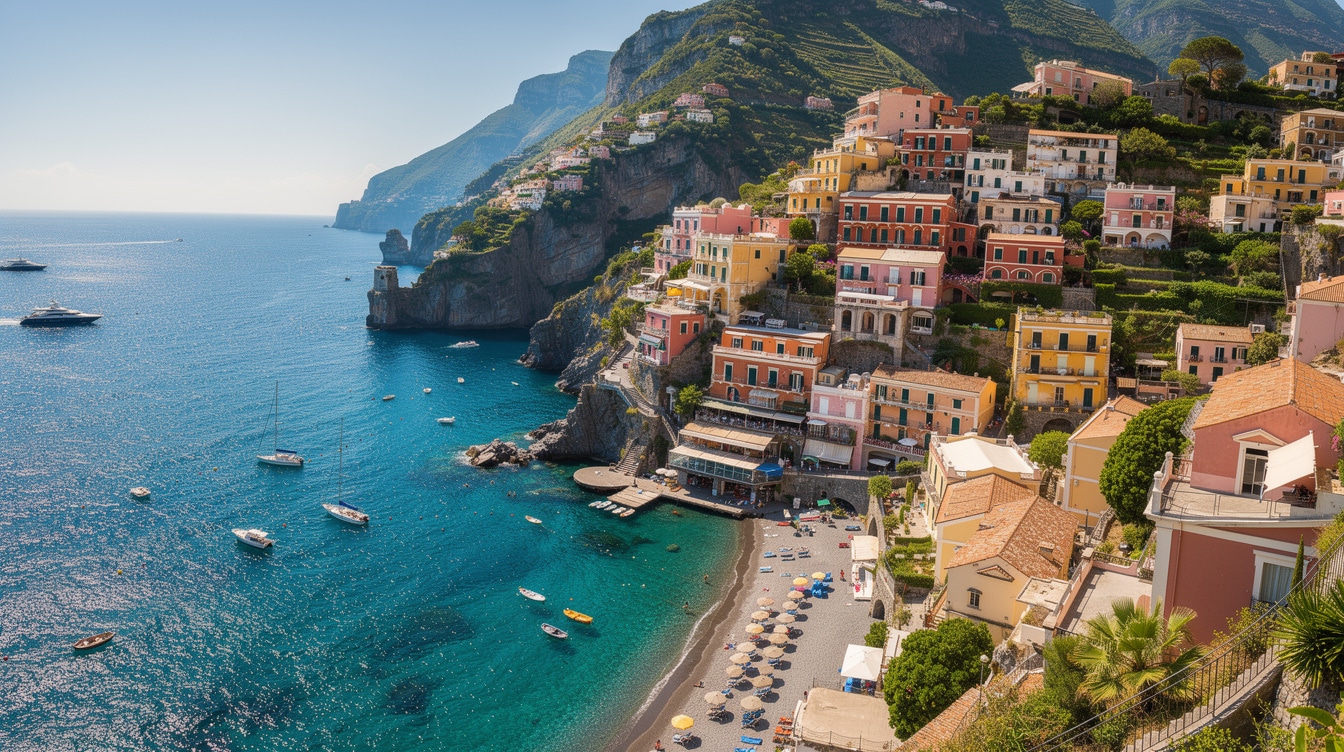
Positano is the Amalfi Coast’s crown jewel, and the first glimpse of it from the road above will stop you in your tracks. Pastel buildings in shades of pink, terracotta, yellow, and cream cascade down a steep hillside to a small beach and a turquoise bay dotted with colorful fishing boats. The whole village is essentially vertical. Everything involves stairs. Your calves will burn and you will not care because every staircase leads to another view that makes you want to throw your camera in the sea because no photo will ever do it justice.
The beach at Positano is not the prettiest beach in Italy. The sand is gray, the chairs are expensive, and in peak season it is packed. But sitting there with a glass of limoncello, looking up at those colorful buildings stacked against the cliff, with the Mediterranean lapping at your feet and the warm Italian sun on your skin, you will understand why John Steinbeck wrote that Positano bites deep and you will spend the rest of your life wanting to return.
The Drive
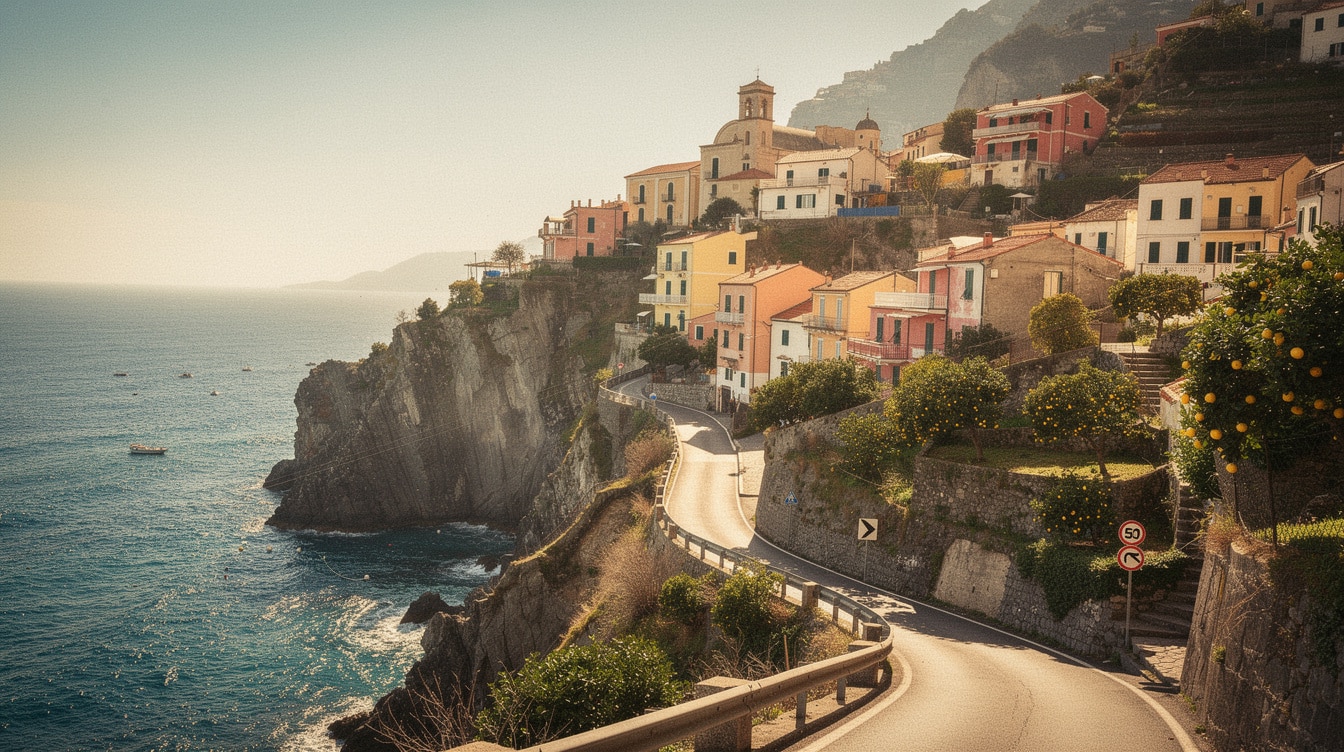
Rent a car or take the SITA bus. Both have advantages. Driving gives you freedom but the road is narrow, other drivers are aggressive, and parking in any of the towns ranges from difficult to impossible. The bus is cheap, reliable, and lets you actually look at the views instead of white-knuckling the steering wheel through blind curves while scooters pass you on the inside.
The road itself is part of the experience. SS163 winds along the cliff face for the entire length of the coast, through tunnels carved into rock, past churches perched on impossible ledges, and around curves so tight the bus driver honks the horn before every one to warn oncoming traffic. Pull over at the lookout points. Every single one is worth the stop. The views change with the light, and what looked stunning at 10 AM becomes transcendent at golden hour.
Lemons Everywhere
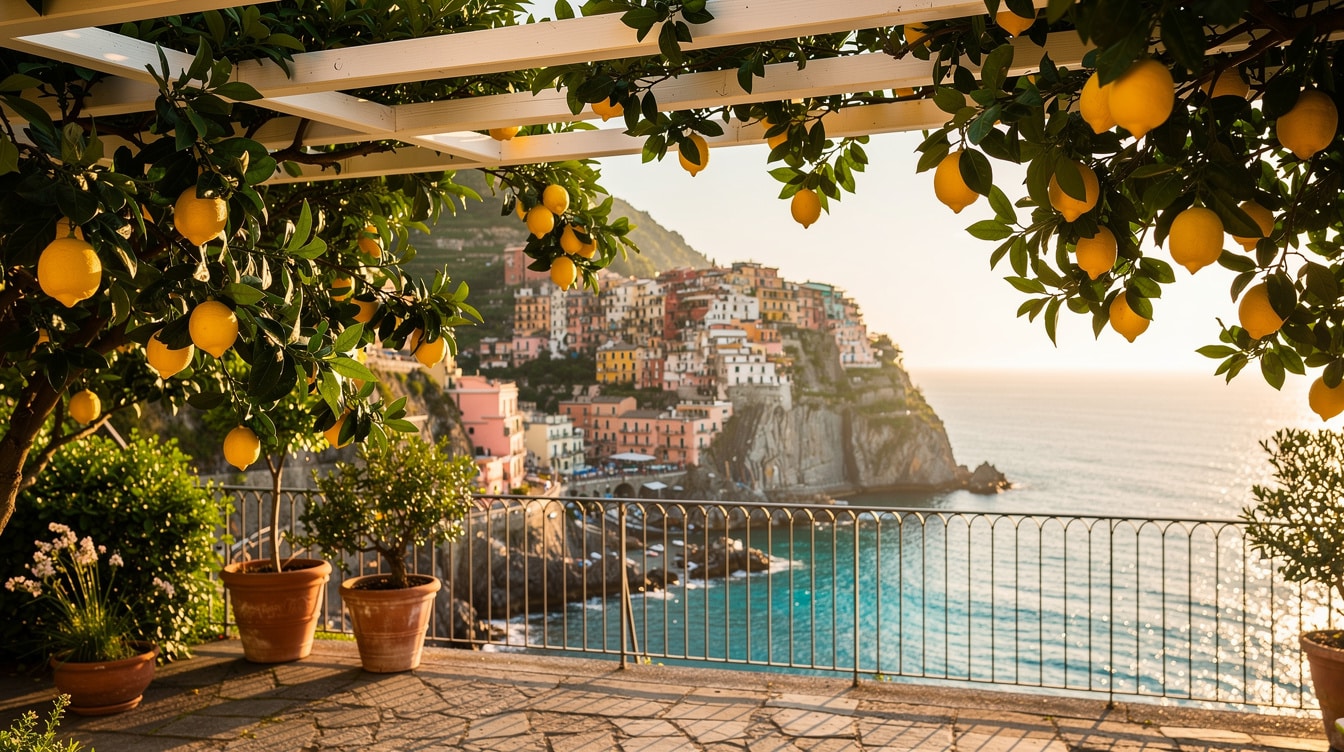
The Amalfi Coast is famous for its lemons, and they are everywhere. Not the small, pale lemons you find in American grocery stores. These are the size of grapefruits, bright yellow, fragrant, and they grow on terraced groves that cling to the hillsides above the sea. Limoncello is made from the zest of these lemons, and on the Amalfi Coast it is served ice cold at the end of every meal in little ceramic cups.
Try everything lemon. Lemon pasta with fresh seafood. Lemon granita on a hot afternoon. Lemon cake that melts on your tongue. The lemons here taste different from anywhere else, sweeter and more floral, and once you have had Amalfi limoncello you will never be able to drink the mass-produced version again without feeling sad.
The Light
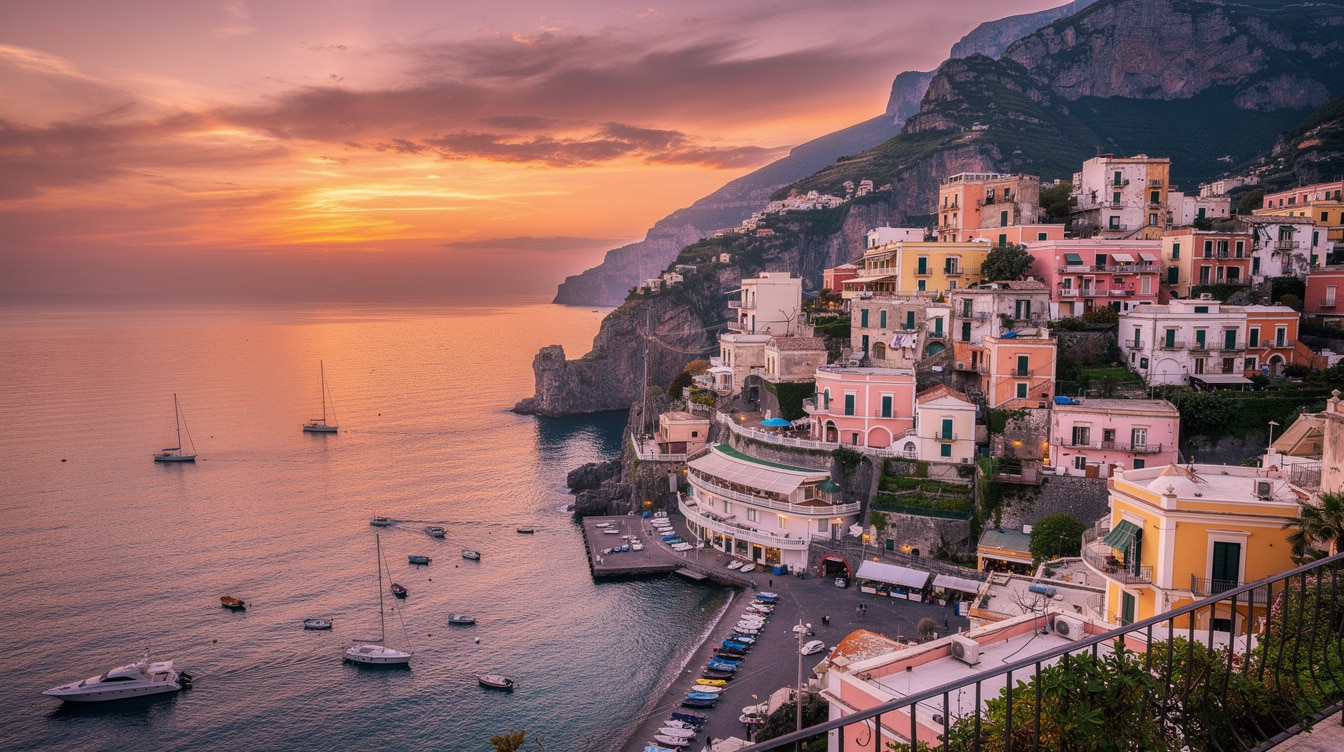
The Amalfi Coast at sunset is one of the most beautiful things I have ever seen. The light turns the water from blue to gold, the buildings glow in warm shades of amber and rose, and the mountains behind go purple. Find a restaurant terrace overlooking the sea, order a bottle of the local rosé, and just sit there while the sky puts on its show. The sun sets behind the mountains to the west, and for about twenty minutes the entire coast looks like it is on fire.
I have traveled to a lot of places. I have seen a lot of beautiful coastlines. But the Amalfi Coast hits different. Maybe it is the combination of the natural beauty and the centuries of human craft that went into building those impossible villages. Maybe it is the food, the wine, the warmth of the people. Maybe it is just Italy being Italy, which is to say: absolutely, unapologetically, devastatingly beautiful. Whatever it is, Steinbeck was right. It bites deep. And I have been planning my return since the moment I left.


